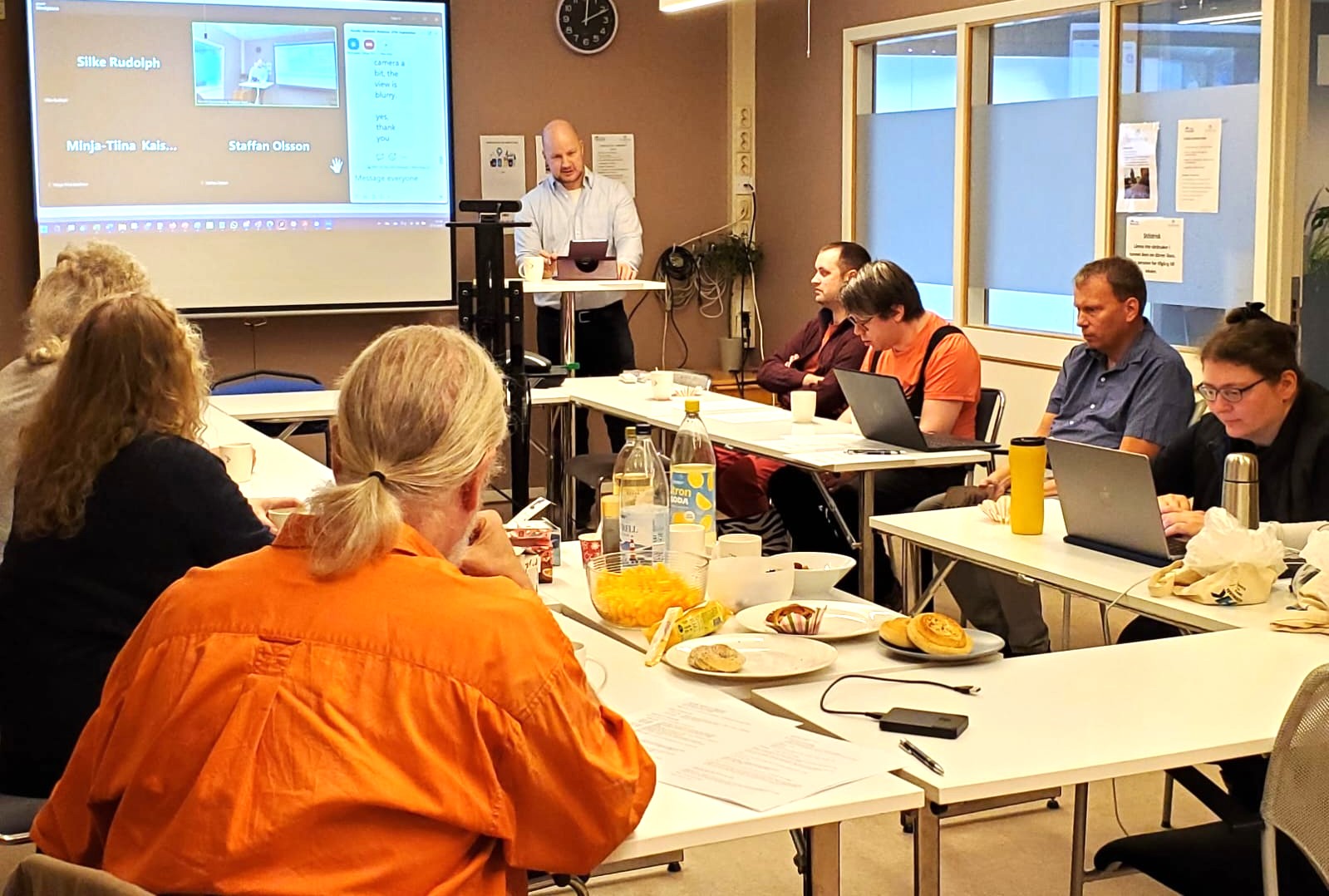
Nordic Network Meeting 2025

In September 2025, representatives of Finnish, Swedish and Danish associations for autistic people met in Örebro, central Sweden, for a series of talks and meetings. Our goal was to learn about challenges that autistic people face in our neighbouring countries, and to identify ways we could collaborate in our policy work – bringing about concrete change in our countries, as well as connecting with EU-level advocacy.

The event was opened by our guest speaker from the European Network on Independent Living (ENIL), Policy Coordinator Florian Sanden. Florian is one of a very small number of autistic people in central positions in the European disability scene., with a long history of human rights oriented work in other organisations before his current role in ENIL.

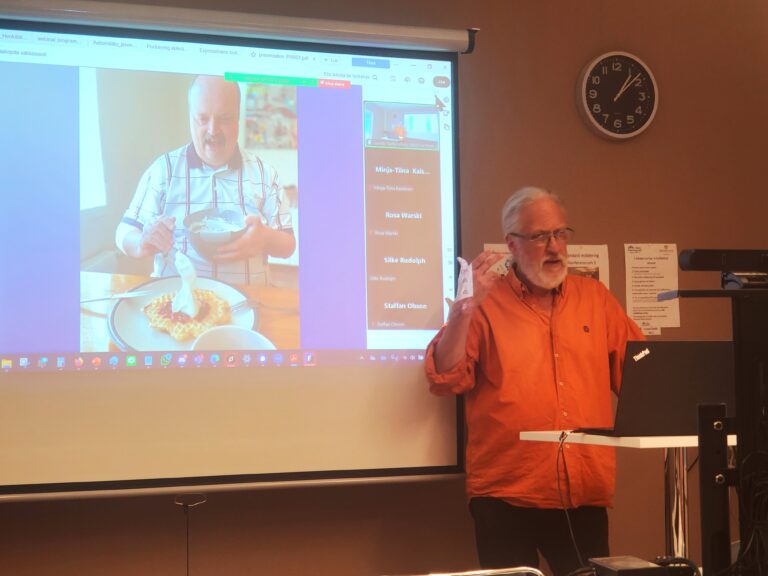
Florian Sanden

 In his talk, Florian emphasized the need to encourage more autistic people to consider European policy work as career choice, pointing out how internship positions at ENIL could provide one way to pursue such paths.
You need a certain endurance, especially if you do disability rights and human rights work, because you're confronted with the things that are going wrong, all the time, and successes can be small and hard to come by.

  The Swedish association Organiserade Autister (OA) provided the meeting venue at Föreningarnas Hus (House of Associations) in Örebro. Their speakers were Daniel Grahn, the Chair of OA, and Svante Norr, a long-term activist. Daniel’s talk “Generation Online” outlined how the internet has changed over the past decades, making it in some ways less friendly to many autistic people. 

The early internet was mostly text. Now it's focused on video livestreams that you skim in seconds. Subtlety doesn't play well at that speed. For autistic people whose faces don't always match our feelings, or whose tone is naturally flat, this shift was devastating. We went from being judged on words to being judged on performance

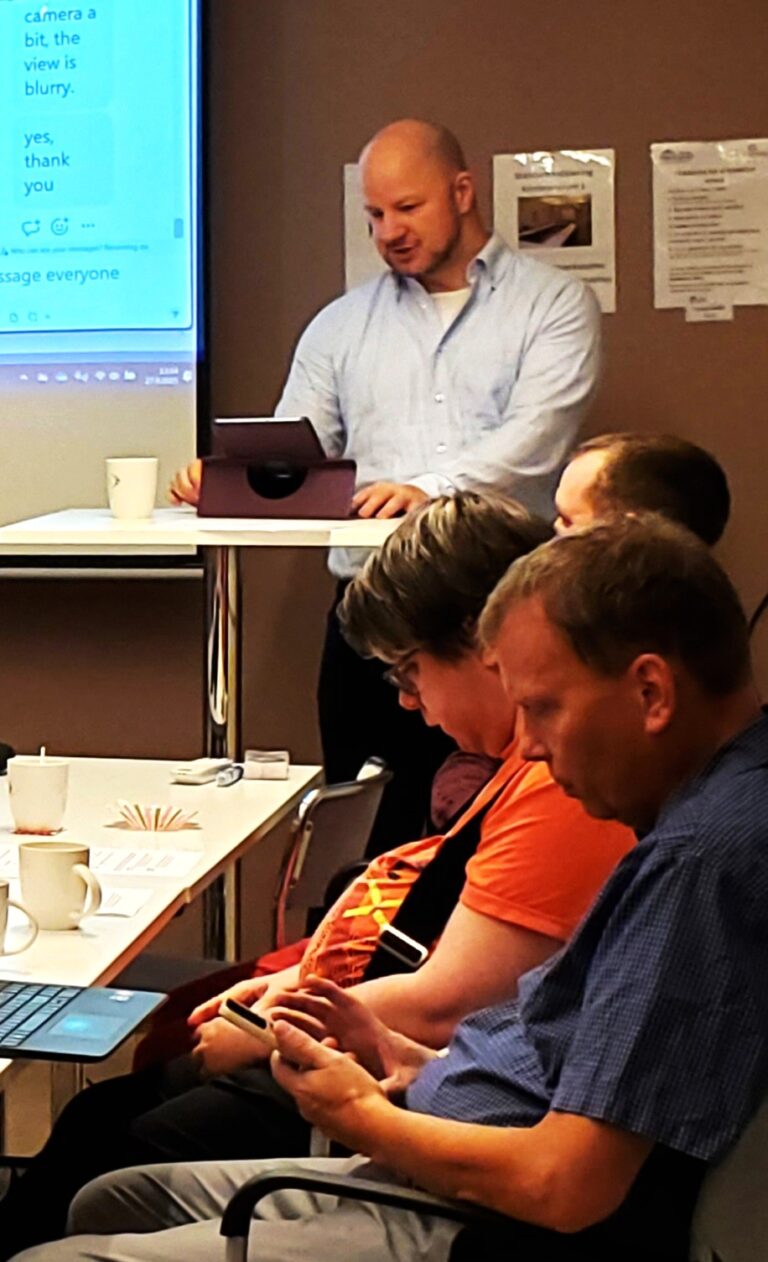
Daniel Grahn presenting
Svante Norr presenting

Svante’s reflections on his experiences in working life illustrated issues that an autistic person can face in Sweden, including support services that do not meet the autistic client’s needs. Originally an archaeologist and an associate professor, Svante has found a new career working with autistic people who have higher support needs.

I went from one place to another where I was coached invariably by pregnant women in their late twenties. They were well-meaning but obviously saw me as "the other" and as something very fragile. This was extremely ineffective, there was too much time between meetings, and I had to endlessly repeat to new people the entire story of my situation. At the end I had to pull myself out of this condition myself.

Suomen Autismikirjon Yhdistys (ASY) was represented by the association’s Vice President Rosa Warski and Secretary Heta Pukki. Rosa spoke about the urgent need for greater accessibility from the autistic perspective in social and health care services, reflecting on her personal experiences as well as those of others she has encountered in her NGO role. Heta’s talk covered ASY’s policy work in two key networks that operate in Finland, the Parliamentary Neurodiversity Network and the Autism Research Network.

I'm 45. This is the first year I'm getting disability benefits because of autism, and I have been diagnosed as autistic for 15 years. I just didn't even know how to get those. I have heard that Kela has been instructed to not tell about these benefits unless the customer asks. They are trying to cut all kinds of money that they would have to give out.

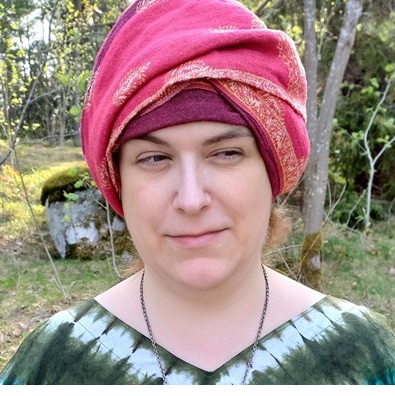
Rosa Warski

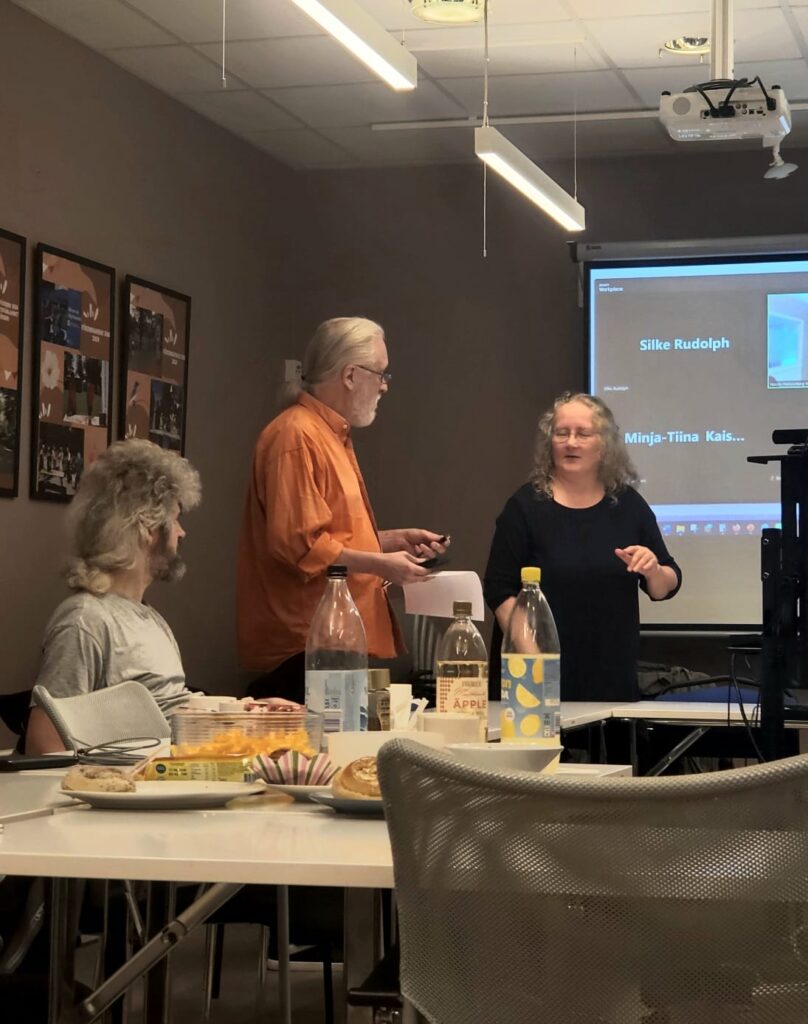
Silke Rudolph from Denmark represented the Danish organisation Autisme- og Aspergerforeningen. Silke covered two topics, the first one, Understanding yourself and your rights, explaining how the association’s three different types of local groups provide autistic spaces for exploring identity, experiences and strategies. In her second presentation, Knowledge for life, Silke discussed the different types of knowledge that autistic people need, and that our organisations generate – self-knowledge and knowledge of human rights and legal rights. The Danish association is in a good position to spread and promote positive knowledge through their annual Aukon conference, directed at a wide range of target groups in addition to autistic eople themselves.


Silke Rudolph

We want to have practical knowledge: How can you actively increase our quality of life, by accepting us, by giving us the space, the chance to express ourselves? For example by not expecting that I have to give an answer here and now, but have a chance to think about it, and give my opinion maybe a week later.

In networking discussions, Executive Director Anders Falk and Vice Chair Johan Sveno brought up suggestions for further collaboration. They welcome future international meetings in Örebro, where they run OA’s central office, with access to a variety of spaces for presentations, workshops and meetings. They also mentioned OA’s long-term collaboration with Karolinska Institutet, an internationally known centre for high quality autism research, including recent publications that have played an important role in resisting misinformation spread by the US president and administration. It was agreed that future activities could involve discussions between autistic people’s organisations in Nordic countries and Swedish researchers involved in participatory autism research.

Johan Sveno, Vice Chair of Organiserade Autister
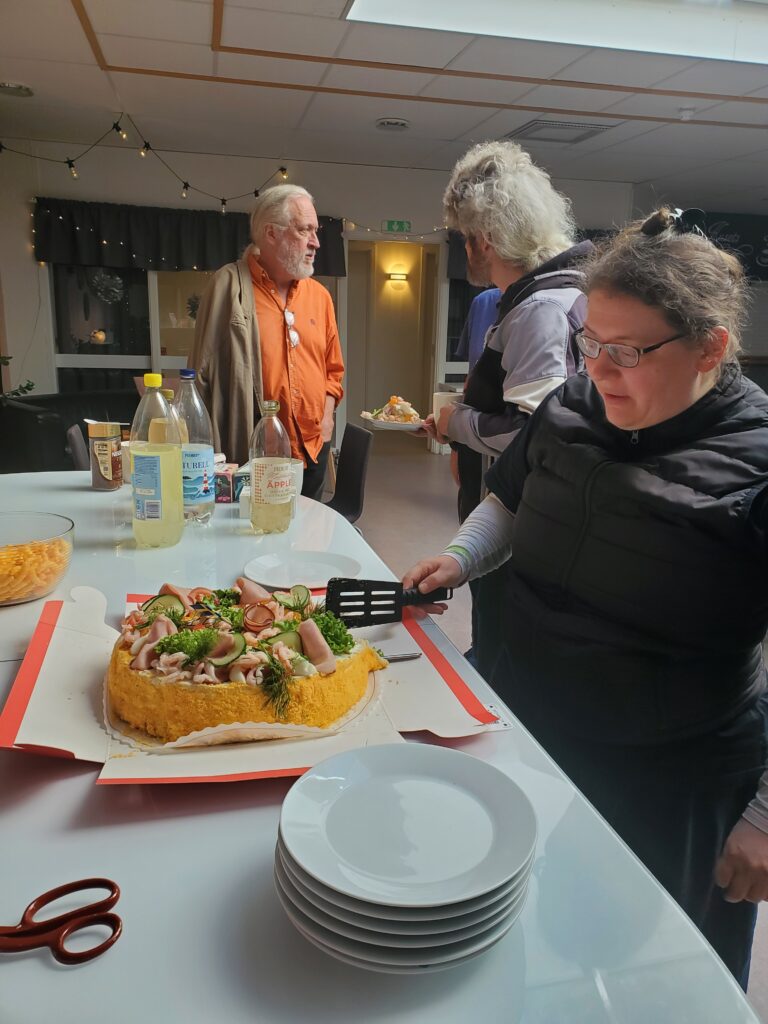
Enjoying smörgåstårta, the Nordic 'sandwich cake'
Heta Pukki (right) having a discussion with participants
OA office in Örebro
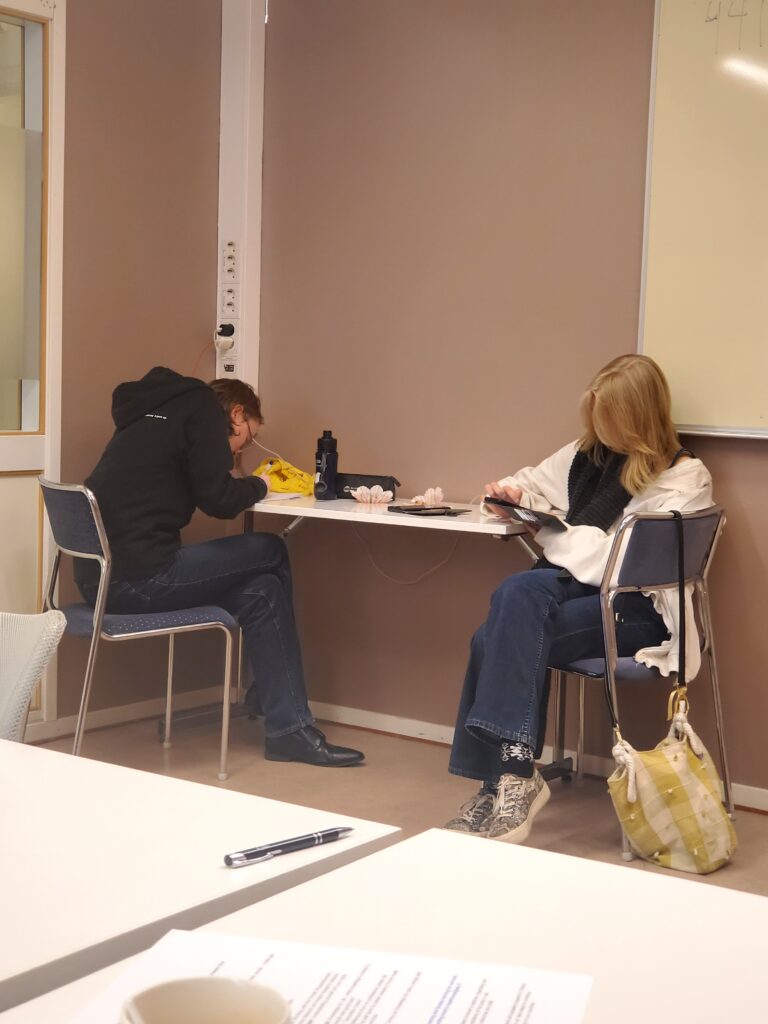
Two young ASY activists participated as assistants and observers
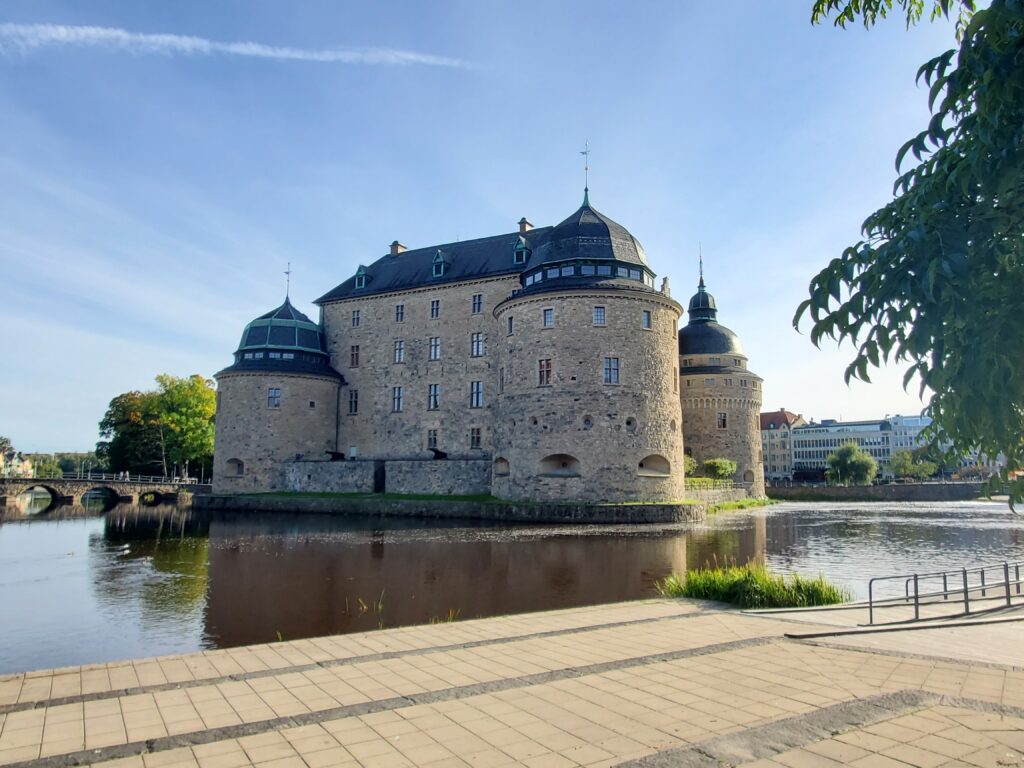
The medieval Örebro Castle is a short walk from OA office

The webinar presentations can be viewed on ASY’s Youtube channel, playlist Nordic Networking Webinar,